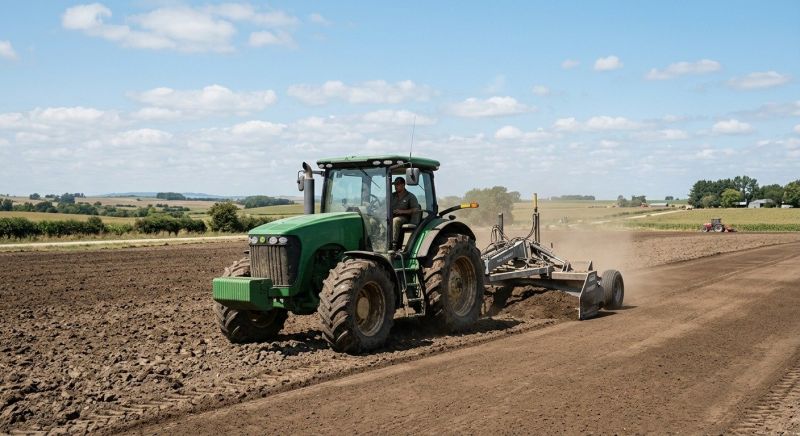
Lawn Leveling in Houston, TX
Lawn leveling services involve adjusting the surface of a yard to create a smooth, even terrain. This process is often requested for projects such as correcting uneven patches, addressing areas with low spots or dips, and preparing lawns for reseeding, sod installation, or landscaping. Property owners typically seek lawn leveling to improve the appearance of their yard, prevent water pooling, and promote healthy grass growth. Understanding the extent of the unevenness and the desired final grade can help homeowners determine the scope of work needed.
Before requesting lawn leveling services, property owners should consider the current condition of their yard, including the severity of uneven areas and any underlying issues such as poor drainage or soil instability. It’s also helpful to know what type of soil is present and whether existing landscaping or features need to be preserved or adjusted. Clear communication about these factors can ensure the project meets expectations and results in a safe, stable, and visually appealing lawn.
Many property owners in Houston, TX look into Lawn Leveling for repairs, replacements, upgrades, and appearance-related improvements.
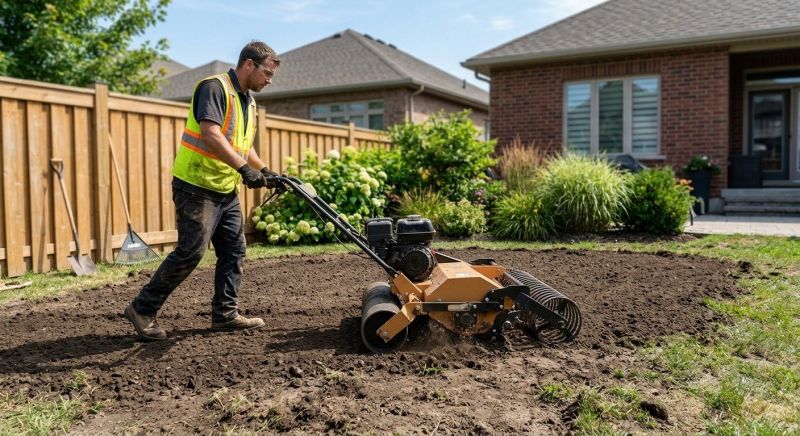
Benefits Of Lawn Leveling
Proper lawn leveling helps prevent water pooling and promotes healthy grass growth.
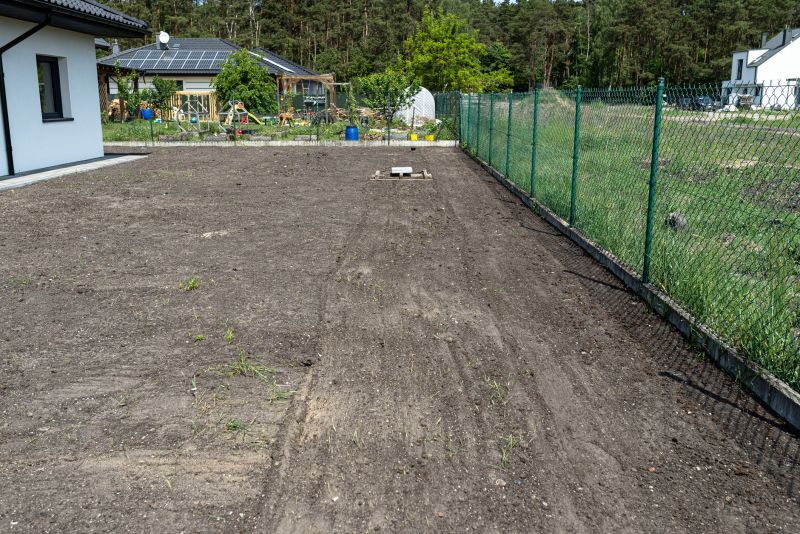
Common Lawn Issues Addressed
Lawn leveling can correct uneven terrain caused by settling, erosion, or construction work.
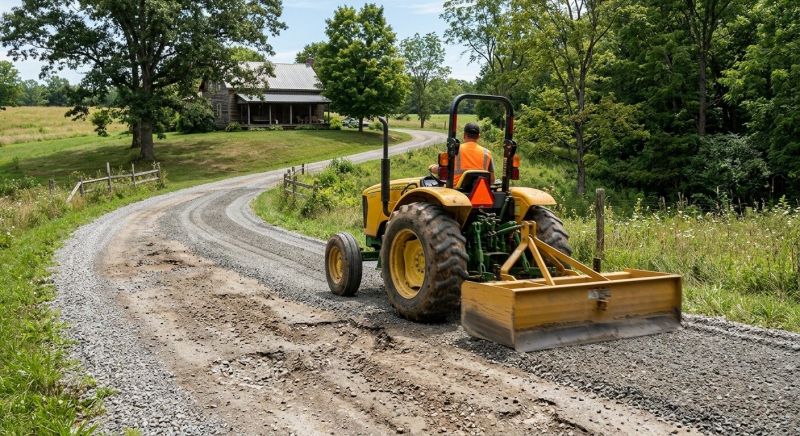
Ideal Conditions For Lawn Leveling
This service is often requested for properties in houston, tx, where soil shifts can create uneven surfaces.
Lawn Leveling in Houston, TX
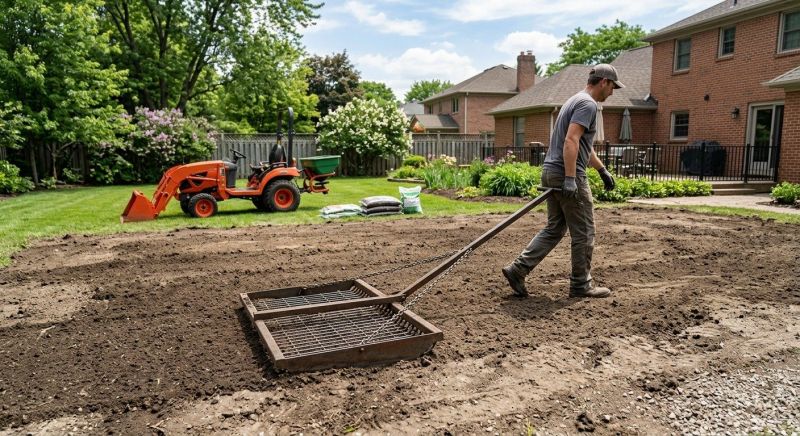
Lawn leveling services involve adjusting the surface of a yard to create a smooth, even terrain. This process is often requested for projects such as correcting uneven patches, addressing areas with low spots or dips, and preparing lawns for reseeding, sod installation, or landscaping. Property owners typically seek lawn leveling to improve the appearance of their yard, prevent water pooling, and promote healthy grass growth. Understanding the extent of the unevenness and the desired final grade can help homeowners determine the scope of work needed.
Before requesting lawn leveling services, property owners should consider the current condition of their yard, including the severity of uneven areas and any underlying issues such as poor drainage or soil instability. It’s also helpful to know what type of soil is present and whether existing landscaping or features need to be preserved or adjusted. Clear communication about these factors can ensure the project meets expectations and results in a safe, stable, and visually appealing lawn.
Many property owners in Houston, TX look into Lawn Leveling for repairs, replacements, upgrades, and appearance-related improvements.
Common Lawn Leveling Jobs
Lawn leveling - smoothing uneven areas to create a more even and attractive yard.
Drainage correction - addressing low spots to prevent water pooling and soil erosion.
Patch leveling - filling in dips and holes for a consistent lawn surface.
Soil redistribution - moving soil to level out high and low spots across the yard.
Reseeding preparation - creating a stable surface for grass seed to grow evenly.
Landscape renovation - improving yard aesthetics by achieving a uniform grade.
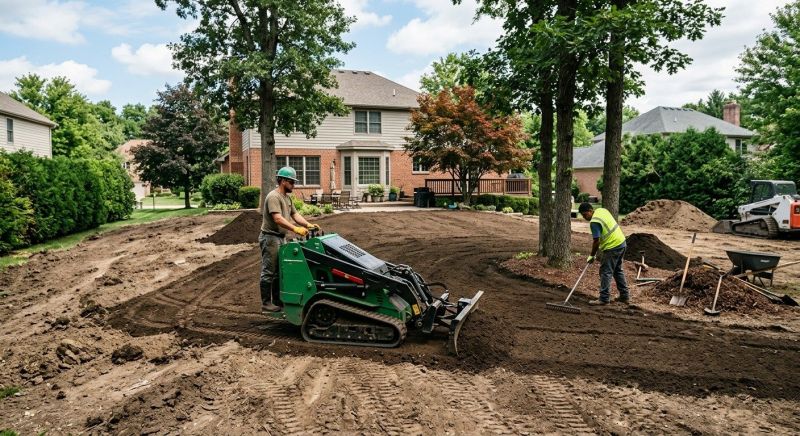
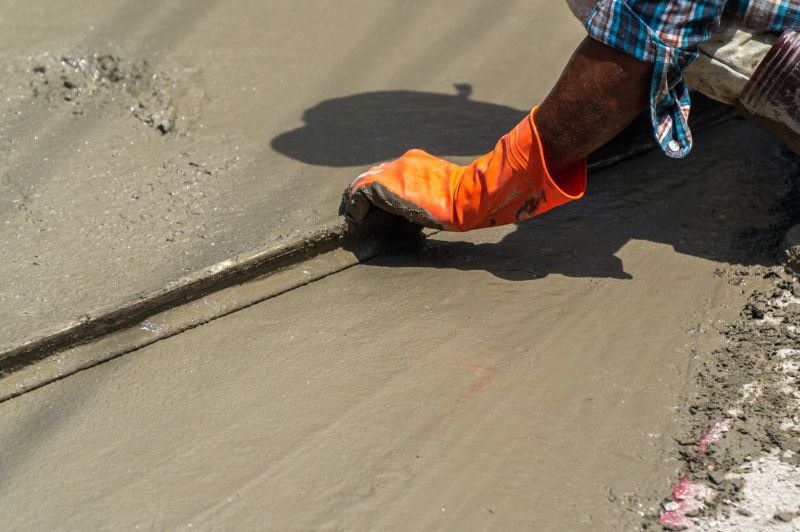
Lawn Leveling Questions
What is lawn leveling? Lawn leveling involves adjusting the soil surface to create a smooth, even yard, reducing bumps and low spots.
What types of issues can lawn leveling address? It can fix uneven terrain caused by settling, erosion, or poor initial grading, improving drainage and appearance.
Is lawn leveling suitable for all lawn types? It is most effective on lawns with minor to moderate unevenness and may not be suitable for heavily damaged or very steep areas.
What should property owners know before lawn leveling? Proper assessment of soil conditions and existing landscape features helps determine the best approach for effective results.
Request Lawn Leveling in Houston, TX
Use the quote form on this page to share the basics of your project and request more information for the type of work you need.